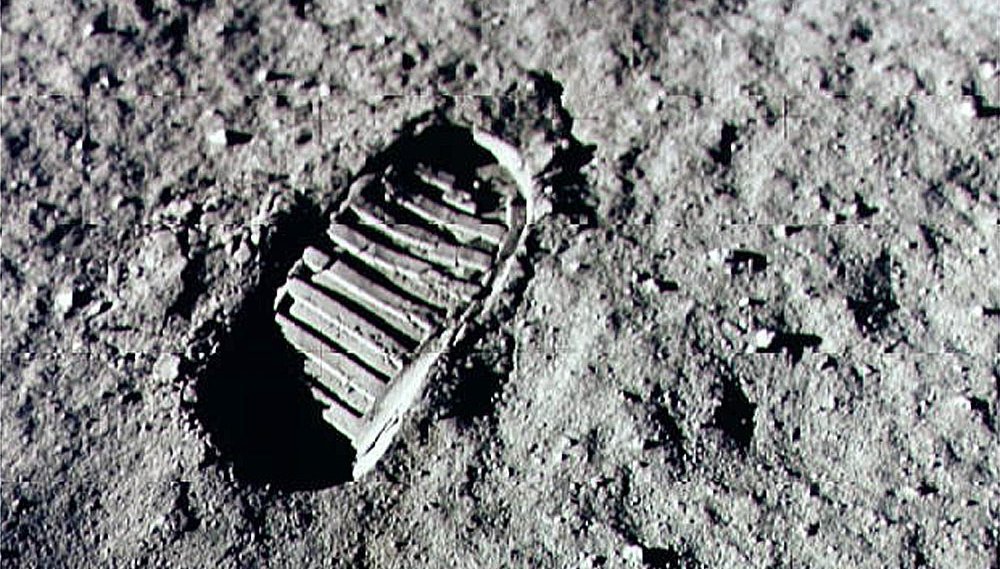
One small step for metallurgy, one big step for additive manufacturing
We can validate the utility of multi-metal laser powder bed fusion through “simple” material combinations with immediate industrial applications.
Selective powder deposition could be used to produce pre-filled constructs for direct high-pressure treatment.
Wrapping-up 2019 we can reflect on a pivotal year for Aerosint.
Using selective powder deposition, we can shape complex metal or ceramic preforms without costly pre-machined dies.
Multi-material powder deposition can elevate ordinary die pressing technology to the production of highly optimized parts.
Defining part models computationally by their boundaries alone won’t work when one part contains two or more materials.
Ahead of Formnext 2019 we are happy to introduce our completely redesigned metal powder recoater. This unique in its kind recoater can lay down dual metal powder layers which, by doing so, unlocks dual-metal laser powder bed fusion (L-PBF) printing.
(Liège, Belgium) – A research grant from the regional government of Wallonia has been awarded to LASEA, a company specializing in systems for precision laser micromachining, and Aerosint, a startup company developing selective powder deposition technology for Additive Manufacturing (AM). The 2-year project, which will have a total budget of nearly €1 million, aims to lay the groundwork for building a hybrid AM system that combines metal powder laser melting with in situ laser ablation.
This article is about the 3 use cases that we consider being the most promising for our powder deposition technology.
(Liège, Belgium) – A grant from the Eurostars program of the Eureka network has been awarded to an international project consortium composed of three partners from Belgium and Germany: Aerosint, a startup from Liège, Belgium; Vectoflow, a startup from Munich, Germany; and the research institute Fraunhofer IGCV in Augsburg, Germany.